


Thanks to their waterproof and moisture-resistant properties, lightweight yet impact-resistant design, and recyclability, corrugated sheets are widely used in applications such as advertising displays, packaging and logistics, and warehouse protection.
Many users encounter problems, and the core issue is always choosing the wrong thickness: boards that are too thin are prone to warping, while those that are too thick are a waste of money.
Today, we’ll thoroughly explain how to select the right thickness for corrugated sheets, covering various use cases so you can choose based on your needs and avoid waste.
Differences Between Corrugated Sheets of Different Thicknesses
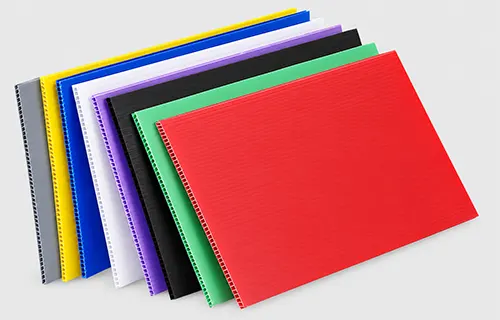
What exactly is the difference between hollow panels of varying thicknesses?
The thicker the panel, the harder it is, and the greater its load-bearing capacity, impact resistance, and bending strength.
Thinner panels are lightweight and flexible, making them suitable for partitions and liners; thicker panels are sturdy and durable, making them ideal for storage bins and load-bearing pads.
Even among panels of the same thickness, the grid structure can affect the actual hardness.
Common thicknesses used in everyday industrial, engineering, and warehousing applications: 2 mm / 3 mm / 4 mm / 5 mm / 7 mm.
Below, you can easily match the right option to your specific scenario—even beginners can make the right choice with just one click.
Lightweight Packaging Applications—(2–3 mm preferred)
2mm | Ultra-Lightweight, Single-Use Only
Advantages: Lightest in weight, highly flexible, and lowest in cost; however, it lacks compressive strength and is prone to denting.
Applications: Suitable for temporary event display boards, product packaging liners, and padding for bags and luggage.
Intended only for short-term, lightweight applications; not suitable for load-bearing or long-term use.
3mm | High-Value Option for Indoor Use
Advantages: Lightweight and resistant to sagging; easy to cut and process; low cost increase; excellent value for money.
Applications: Ideal for packaging small auto parts, dividers for hardware accessories, shelf dividers, and lightweight separators for shoes, hats, and daily necessities.
The top choice for indoor, lightweight applications on a limited budget.
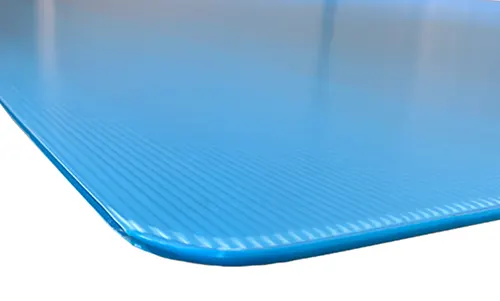
Factory Handling Scenario—(For 4–5 mm)
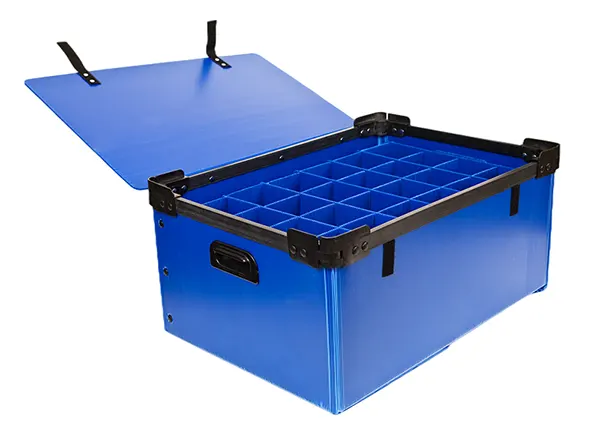
4mm | General-Purpose Transition Model
Highlights: Offers basic rigidity, better impact resistance, and can be easily bent into shape.
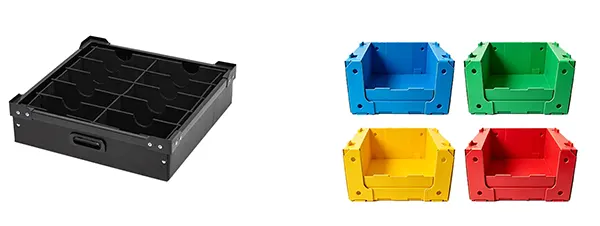
Applications: Suitable for simple storage bins, moisture-proof padding for small warehouse items, and protective partitions for small equipment, balancing practicality and value.
5mm | Versatile Workhorse
Highlights: Balanced thickness, rigidity, flatness, and durability; suitable for repeated use.
Suitable for the vast majority of applications: general-purpose logistics containers, long-term outdoor signage, moisture-proof warehouse mats, and finished product protection panels at construction sites.
Heavy-Duty 6–7 mm Storage Panels: Excellent Load-Bearing Capacity, No Warping
6–7 mm | Thickened, High-Strength Model
6 mm panels offer wind resistance and resistance to bending, making them suitable for large outdoor display boards, factory perimeter fencing, and medium-duty storage bins.
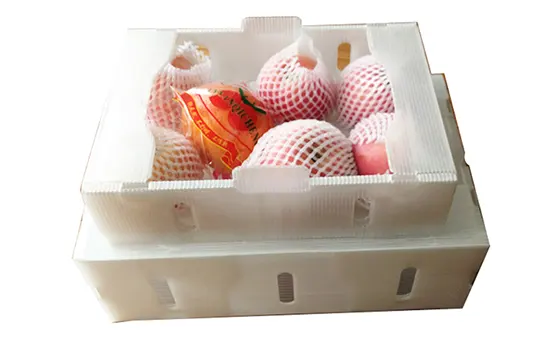
Performance Metrics Achievement
With 7mm thickness, it offers superior resistance to compression and deformation.
It is primarily used for industrial heavy-duty padding, long-term outdoor barriers, and reinforced storage bins for small automotive and heavy-industry parts, making it suitable for high-frequency, high-intensity applications.
Value: Replaces traditional cardboard boxes; it is waterproof, moisture-resistant, impact-resistant, and wear-resistant, and can be reused for over a year, directly reducing a factory’s consumable costs over the long term.
Quick Summary
Lightweight, short-term use: 2–3 mm.
General-purpose use: 4–5 mm.
Heavy-duty outdoor use: 6–7 mm.
Choosing the right thickness not only prevents deformation and damage but also helps you control costs precisely—say goodbye to common purchasing mistakes!